Helping UK Travellers and UK Residents Obtain the France Schengen Visa
Overview
Visa requirements for UK Residents with Foreign Passports
At Cromwell Visa Services, we support travellers and professionals with careful preparation of France Schengen visa applications from the UK. Our aim is to make the process clearer, faster to manage, and less stressful for busy applicants.
France visa applications can become difficult when the wrong category is selected, the supporting documents do not match the purpose of travel, or the booking and submission steps are not completed properly. We help reduce those risks by guiding you through each stage in a practical and structured way.
Whether you are travelling to France for a holiday, a business meeting, a trade fair, a conference, or a short commercial visit, our team can assist with document review, application checks, appointment guidance, and overall case preparation.
Our service is designed to improve accuracy, avoid common mistakes, and help you submit a complete and credible application that fits current France Schengen visa requirements.
Why Cromwell
Processing Time
Visa Validity
A France short-stay visa does not allow stays of more than 90 days in any 180-day period. The exact validity period, number of entries, and authorised stay are decided by the French authorities on a case-by-case basis.
Some applicants receive a visa covering only the specific travel dates requested, while others may receive a single-entry or multiple-entry visa with a longer period of validity.
France also issues circulation visas in suitable cases. These can allow repeated travel and may be valid from 6 months up to 5 years, but the holder must still respect the 90 days in 180 days rule.
No agency, adviser, or applicant can guarantee the length or format of visa validity. A strong travel history, consistent documents, and a well-presented application can, however, support a better overall outcome.
FAQ
For short visits, British citizens can usually travel to France without a visa for up to 90 days in any 180-day period for tourism, family visits, business meetings, and certain short training or event-related purposes. Different rules apply for working in France or staying longer than 90 days.
Many do. The requirement depends on the nationality shown on the passport and the applicant’s residence status in the UK. A person can be legally resident in the UK and still need a France visa before travel.
Applications can be lodged up to 180 days before travel. France-Visas strongly advises allowing at least 20 working days, but many applicants choose to apply earlier to reduce last-minute risk.
In the UK, cases are generally processed in around 2 to 15 working days after they reach the French Consulate, but this can be longer in busy periods or where extra checks are required.
Yes. The insurance should cover the full stay, the whole Schengen area, emergency medical costs, hospital treatment, and repatriation, with cover of at least 30,000 euros.
Usually yes if you are over 12 and applying for the first time. If you gave biometrics for a previous biometric Schengen visa issued within the last 59 months, the data may sometimes be reused, though the authorities can still request appearance if needed.
Yes, if France is your sole destination, your main destination in terms of stay or purpose, or your first entry point where no main destination can be identified.
You should show enough funds to cover the trip. French border guidance refers to 65 euros per day where hotel accommodation is booked, 120 euros per day where there is no hotel booking, and 32.50 euros per day in certain hosted-stay cases backed by an attestation d'accueil.
You need credible travel and accommodation evidence. In practice, flight reservations, itinerary details, and hotel bookings or host documents are commonly used. The exact evidence should match the reason for travel.
For many short business-related activities, yes. This can include meetings, trade fairs, negotiations, conferences without pay, fact-finding visits, some training, and similar short professional visits. If the activity amounts to work or falls outside the exempt business visitor rules, a visa or permit may be required.
UK residents can normally apply through TLScontact in London, Manchester, or Edinburgh, because there is no separate consular area restriction for routine visa filing in the UK.
Yes. France-Visas states that TLScontact is the authorised external provider in the UK for receiving applications and returning passports. Applicants should be careful of unofficial websites and appointment scams.
If you receive a long-stay visa equivalent to a residence permit (VLS-TS), you must usually validate it online within 3 months of arrival in France.
If your visa states that a residence card must be applied for after arrival, you must normally complete that residence process within the required period, often within 2 months.
Some categories may involve ANEF online formalities, prefecture procedures, tax stamp payments, or additional local steps after arrival.
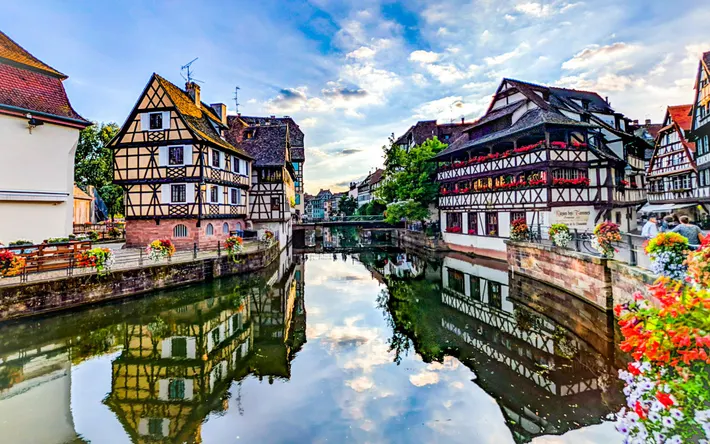
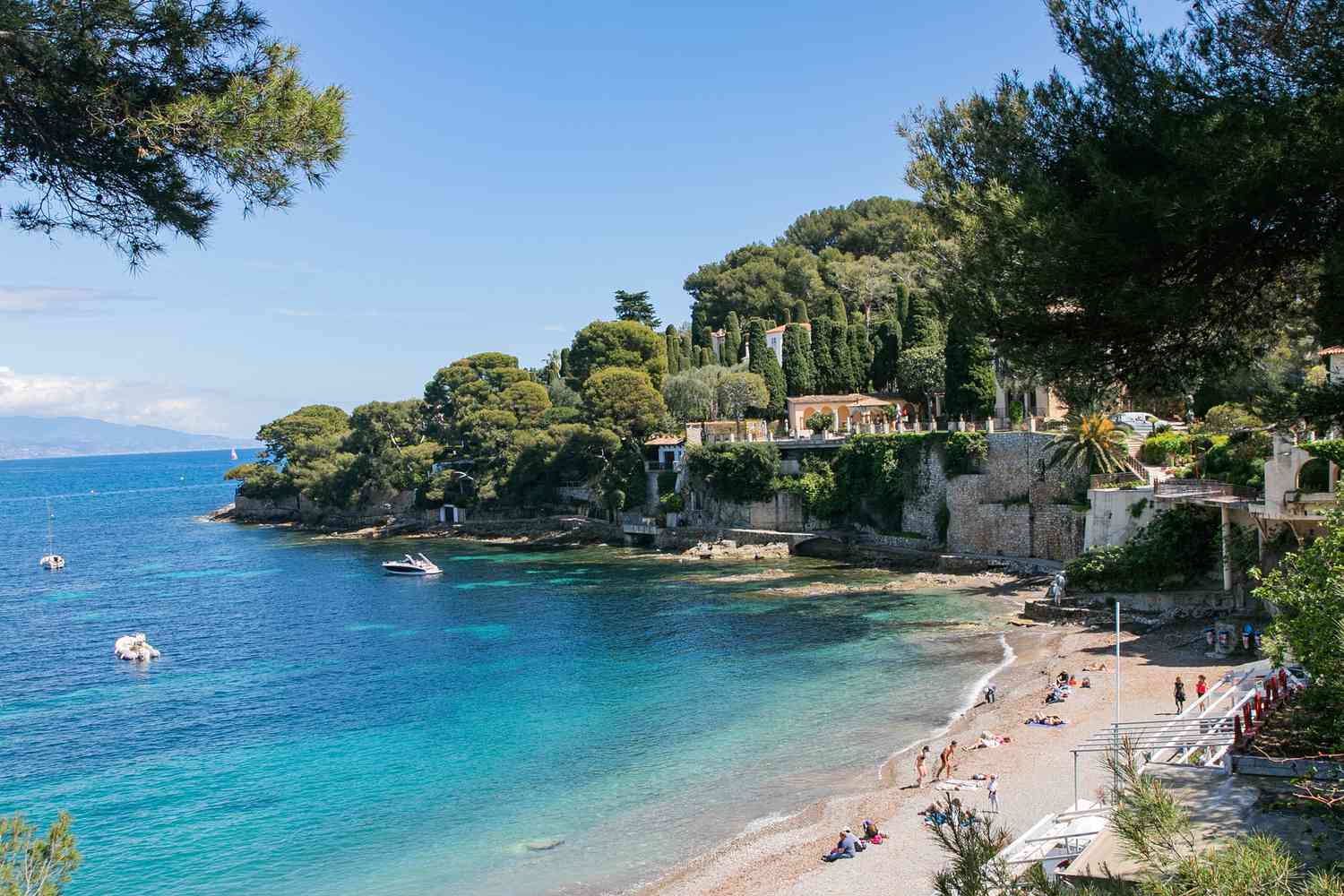
France attracts visitors with world-famous cities, food culture, art, coastline, countryside, and historic landmarks. Below are five of the most popular and culturally rich French cities for leisure and business travellers.
Attractions
Education
France is home to globally respected universities and elite institutions with strong reputations in science, engineering, politics, business, and the humanities.
Fun Facts
Visa-free travel for British passport holders for tourism
British passport holders can usually travel to France and the wider Schengen area without a visa for short stays of up to 90 days in any 180-day period.
This visa-free allowance generally covers tourism, visiting family or friends, attending cultural or sports events, and certain short courses or training visits.
If you want to stay longer than 90 days, relocate, work, or take up a different long-term purpose, you should check the appropriate French long-stay visa route instead.
Visa-free business activities in France for short-term stays
British citizens travelling to France for up to 90 days may be able to carry out specific short business-related activities without a visa or permit, provided the trip stays within the visitor and exemption rules.
Examples commonly include attending job interviews, going to court as a witness, attending trade fairs, joining board meetings, meeting clients or customers, meeting colleagues or contractors, carrying out fact-finding visits, negotiating and signing contracts, attending or speaking at unpaid conferences, and taking part in team-building activities.
Certain classroom-based training, on-the-job training, and job shadowing within the same company or group may also be allowed on a short-stay basis.
There are also some France-specific exemptions for up to 90 days, including selected artistic, cultural, scientific, technical, and after-sales service activities.
The rules are different if the activity amounts to work in France, paid local employment, or a longer posting. In those cases, a separate visa, permit, or work authorisation may be required.
Book a completely free consultation today. Our visa experts will guide you to a successful approval.