
Overview
Yes. British citizens normally need a visa to visit India unless they hold a valid OCI card. India offers different visa categories, including e-Tourist Visa, e-Business Visa, e-Medical Visa, e-Student Visa and regular paper visas for those who are not eligible for an e-Visa or whose travel purpose is not covered by the e-Visa system. Selecting the wrong visa can cause refusal, delay, problems at the airport or refusal of entry in India.
For many short tourist and business trips, the India e-Visa is the most convenient route because it is applied for online and the Electronic Travel Authorization is sent by email. However, not every applicant or travel purpose qualifies as an e-Visa. Some travelers must apply for a regular visa through the Indian visa application process and attend or use a VFS Global Visa Application Centre in the UK.
India has several visa categories, and the application should match the exact purpose of travel. A tourist visa should not be used for employment, journalism, long-term study, paid work, filming, research, or activities requiring special permission. The sections below explain the most common India visa categories for applicants applying from the UK.
Eligible applicants for e-Tourist and e-Business Visas should apply at least 4 days before their date of arrival. For many e-Visa categories, the application can be made up to 120 days before the proposed date of travel.
Regular Indian visa services in the UK are handled through VFS Global on behalf of the Indian authorities. The applicant normally completes the visa form online, prepares the supporting documents, books the correct appointment, pays the required fees and submits the passport and documents through the visa application process. The High Commission of India confirms that regular visa services are outsourced to VFS in the UK and that applicants should use the VFS route for appointments and further information.
India visa fees depend on nationality, visa category, visa duration, whether the application is an e-Visa or regular visa, and any VFS, service, courier, bank or optional charges. Fees can change, so the official portal should always be checked before payment.
e-Tourist Visa Type | Official fee shown for UK (in USD) | Notes |
30-day e-Tourist Visa – April to June | USD 10 | Double entry; seasonal fee; plus bank charge. |
30-day e-Tourist Visa – July to March | USD 25 | Double entry; seasonal fee; plus bank charge. |
1-year e-Tourist Visa | USD 40 | Multiple entry; stay limits apply; plus bank charge. |
5-year e-Tourist Visa | USD 484 | Multiple entry; stay limits apply; plus bank charge. |
Cromwell – our professional services fees | GBP 60 | For any of above visa application |
Visa Category | Up to 1 Year | 1 to 5 Years / Other Duration |
Tourist Visa | GBP 127 | GBP 378 |
Business Visa | GBP 189 | GBP 567 |
Entry Visa | GBP 127 | GBP 378 |
Conference Visa | GBP 63 | Up to 6 months |
Transit Visa | GBP 69 | Up to 3 months |
Cromwell – our professional services fees | GBP 120 | For any of above visa application |
The above regular visa fee figures are based on the High Commission of India fee structure for UK nationals, effective from 1 April 2024 and shown as last updated in April 2026.
VFS service charges, courier fees, SMS updates, scanning, premium lounge or other optional service charges may be separate.
Please contact us for Non-British passport holders application visa fees as it carries nationality-specific fees.
FAQ
Yes. British citizens normally need a visa to travel to India unless they hold a valid OCI card. Many UK tourists use the India e-Tourist Visa, but the right route depends on the travel purpose, passport and length of stay.
Yes, if your nationality and travel purpose are eligible. British passport holders commonly use the India e-Visa for tourism and business visits. UK residents with non-British passports must check eligibility based on their nationality, not just UK residence.
An e-Visa is applied for online and the approval is sent by email. A regular visa usually requires an online form plus document and passport submission through the VFS Global process in the UK. Regular visas are used where e-Visa is not suitable or not available.
The e-Tourist Visa can be available for 30 days, 1 year or 5 years. The 30-day option is double entry, while the 1-year and 5-year options are multiple entry, subject to permitted stay limits.
A regular India visa may be more suitable where the applicant is not eligible for e-Visa, has Pakistani nationality or Pakistani origin, needs to visit protected or restricted areas, plans a purpose not covered by e-Visa, needs a specific long-term visa, requires employment permission, has a complex travel history, or is applying with a passport type that is not accepted under the e-Visa system.
Eligible applicants should apply at least 4 days before arrival. In many cases, applications can be made up to 120 days before the proposed travel date. Applying early is safer, especially during busy travel periods.
The official February 2026 e-Tourist Visa fee table shows UK fees of USD 10 or USD 25 for the 30-day option depending on season, USD 40 for the 1-year option and USD 484 for the 5-year option, plus a 3% bank charge. Fees can change, so check before payment.
The High Commission of India fee table for UK nationals shows GBP 127 for a tourist visa up to 1 year and GBP 378 for a tourist visa from 1 year up to 5 years. Additional VFS or optional service charges may apply.
No. A tourist visa is not for employment, and a business visa is not the same as permission to work in India. Paid employment usually requires an Employment Visa and supporting documents from the Indian employer.
A tourist visa may be suitable for casual visits to friends or relatives. However, persons of Indian origin or close family members of Indian citizens or OCI cardholders may sometimes need to consider an Entry Visa or OCI-related options depending on circumstances.
Yes. Each traveller normally needs their own passport and individual visa approval. Children cannot rely on a parent’s visa.
Yes, a valid OCI card together with a valid foreign passport can usually be used for travel to India. If your OCI card details are outdated or there are passport changes, check the current OCI rules before travel.
Your passport should normally have at least 6 months validity and at least 2 blank pages. Travellers should also check airline and transit requirements before departure.
Applicants with Pakistani nationality or Pakistani origin are generally not eligible for India e-Visa and should use the regular visa route. Processing can take substantially longer and additional documents may be needed.
For a regular India visa, you normally need to use the VFS Global process and book the correct appointment or submission service. HCI guidance states there is no walk-in service for visa and consular services.
Urgent options depend on the visa category, nationality and reason for travel. Emergency or urgent cases should be checked against official High Commission and VFS guidance. Travellers should avoid relying on informal agents or unofficial promises.
e-Visa holders must enter through designated airports or seaports listed by the Indian authorities. The permitted entry and exit points should be checked on the official e-Visa portal before booking travel.
Some parts of India require Protected Area Permits or Restricted Area Permits in addition to a visa. These permissions can take time and should be checked well before travel.
We can guide you on the correct route, help prepare and review documents, support form accuracy and explain the VFS or e-Visa process. The exact level of support depends on the visa category and official submission rules.
Many India visa applications are straightforward, but mistakes in visa type, passport details, photo upload, business letters or nationality issues can cause delays or travel problems. A professional review can reduce avoidable errors and give you more confidence before submission.
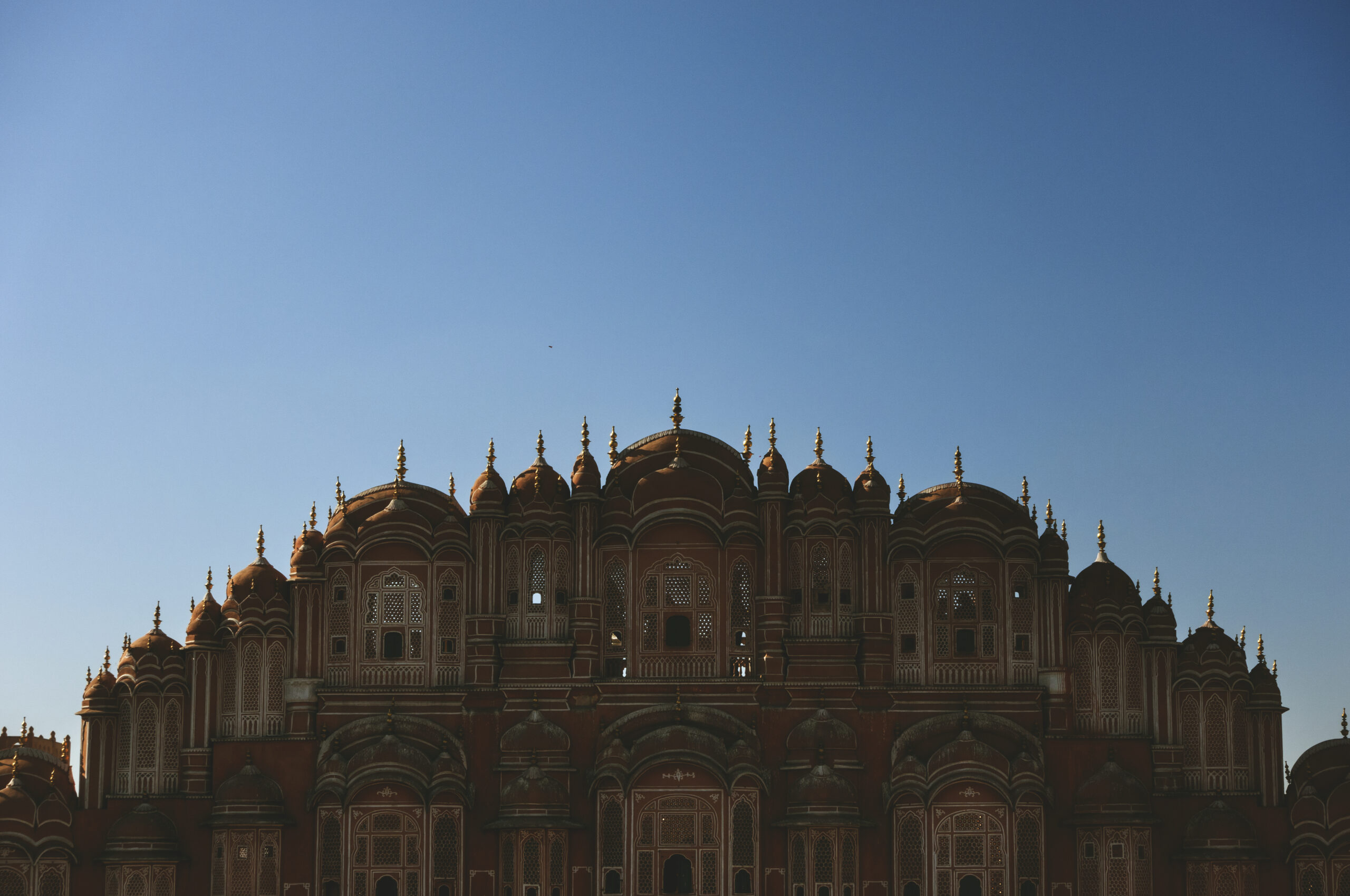
Delhi is one of India’s most important historic and political centres. It combines Mughal-era monuments, colonial architecture, modern government districts, busy markets and excellent food culture. Travellers often start their India itinerary here because Delhi connects easily to Agra, Jaipur, Rajasthan and northern India. Popular highlights include India Gate, Red Fort, Qutub Minar, Humayun’s Tomb and the street food lanes of Old Delhi.
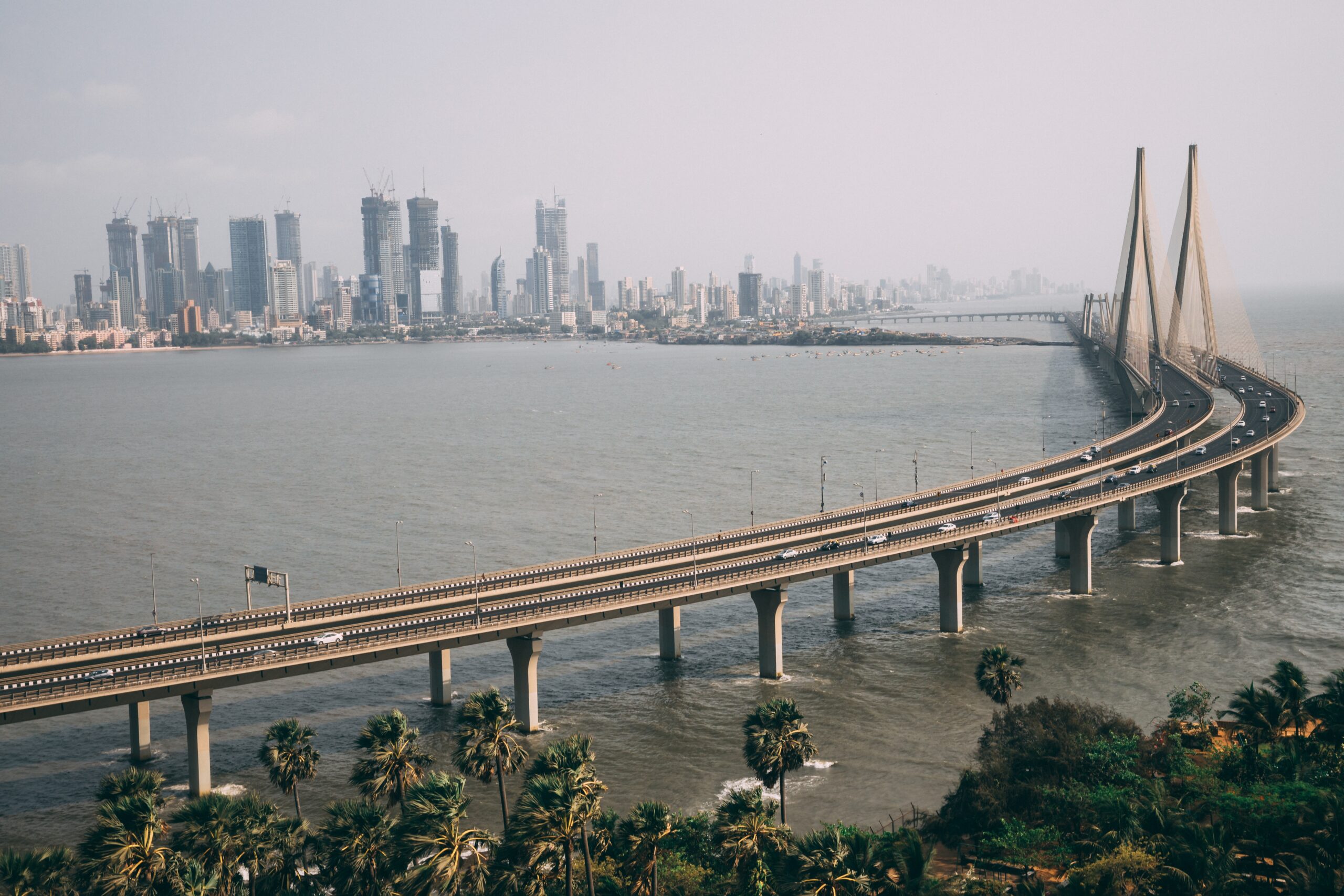
Mumbai is India’s commercial and entertainment capital, known for finance, Bollywood, coastal views and a fast-moving city lifestyle. It is ideal for business travellers, creative professionals and tourists who want to experience modern India alongside historic landmarks such as the Gateway of India, Chhatrapati Shivaji Maharaj Terminus and the Elephanta Caves.
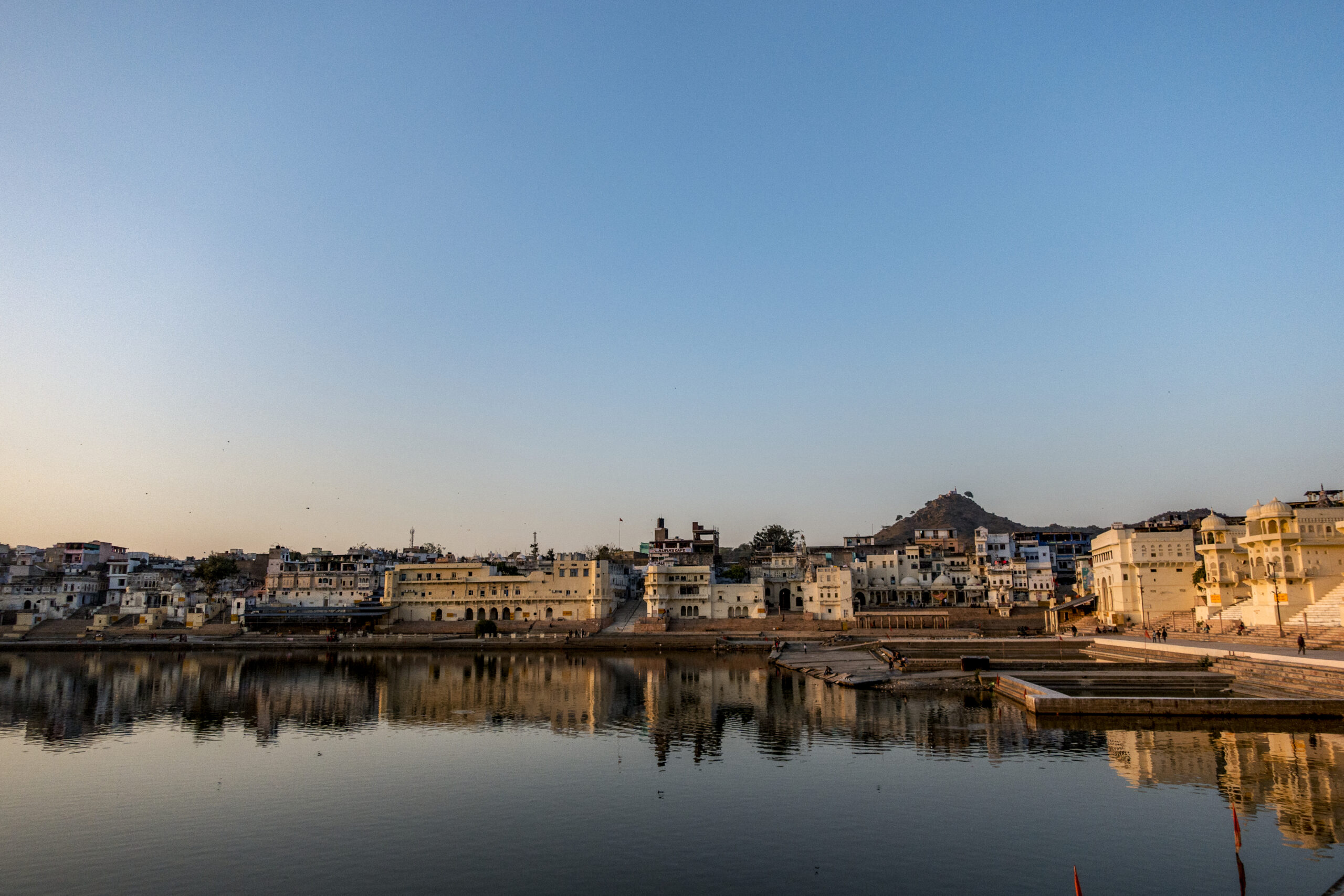
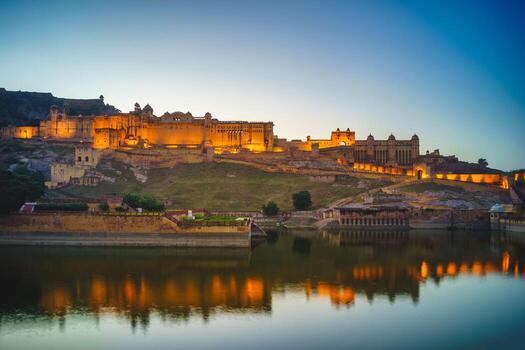
Jaipur, the capital of Rajasthan, is famous for royal palaces, forts, colourful bazaars and traditional craftsmanship. It forms part of India’s popular Golden Triangle route with Delhi and Agra. Amber Fort, City Palace, Hawa Mahal and Jantar Mantar make Jaipur one of the best cities in India for culture, architecture and photography.
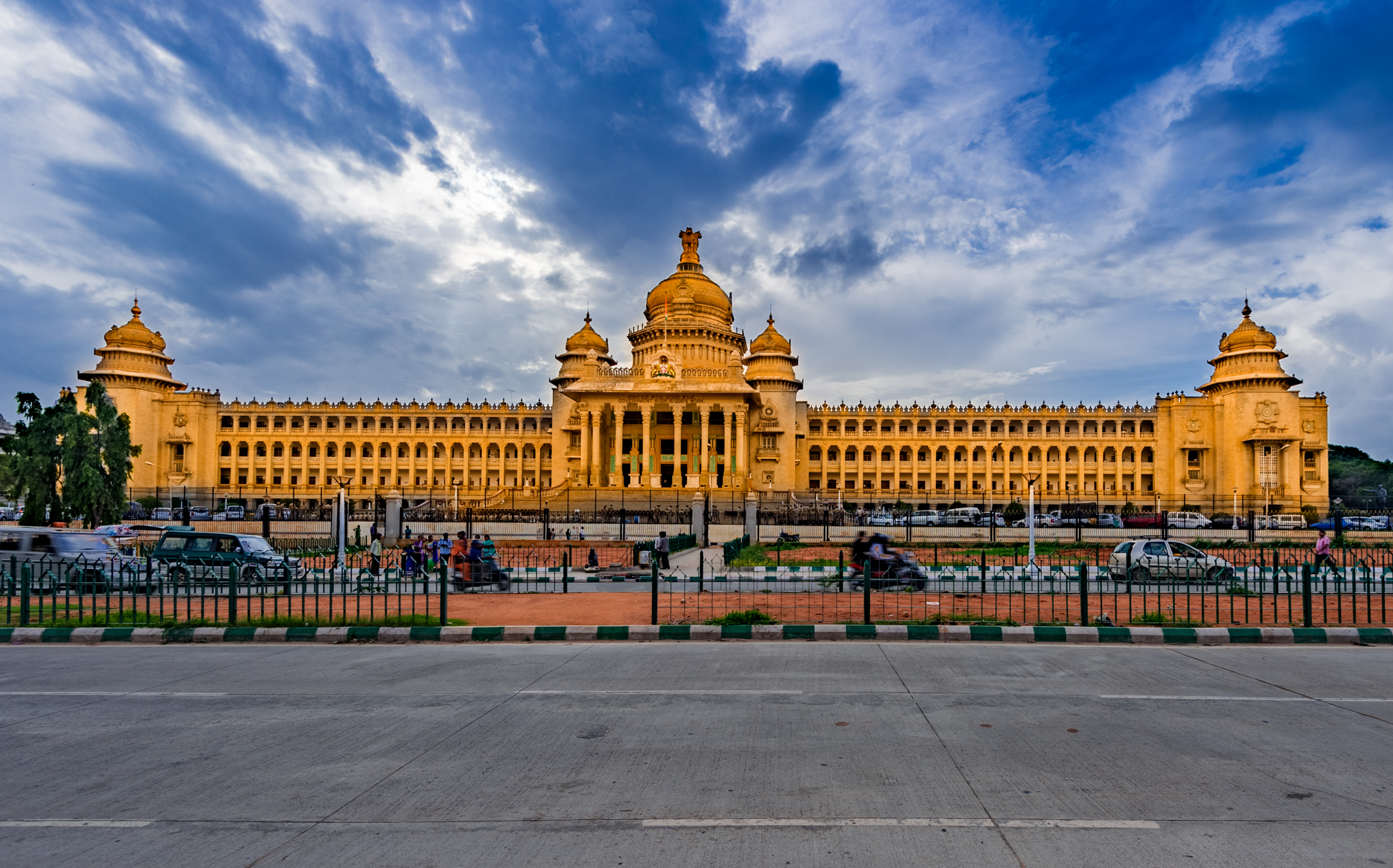
Bengaluru is India’s leading technology and start-up hub, often called the Silicon Valley of India. It attracts business travellers, entrepreneurs, students and professionals because of its IT sector, research institutions and modern lifestyle. The city is also known for gardens, cafes, craft breweries and easy access to southern India’s hill stations and heritage sites.
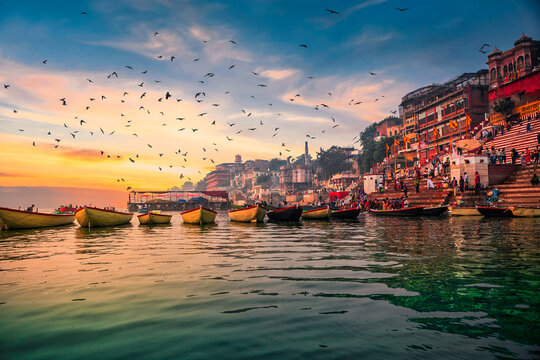
Varanasi is one of the world’s oldest continuously inhabited cities and one of India’s most spiritually significant destinations. Located on the River Ganges, it is known for its ghats, temples, classical music, silk weaving and evening aarti ceremonies. Varanasi offers a deep cultural experience and is often chosen by travellers seeking history, spirituality and traditional Indian life.
Attractions
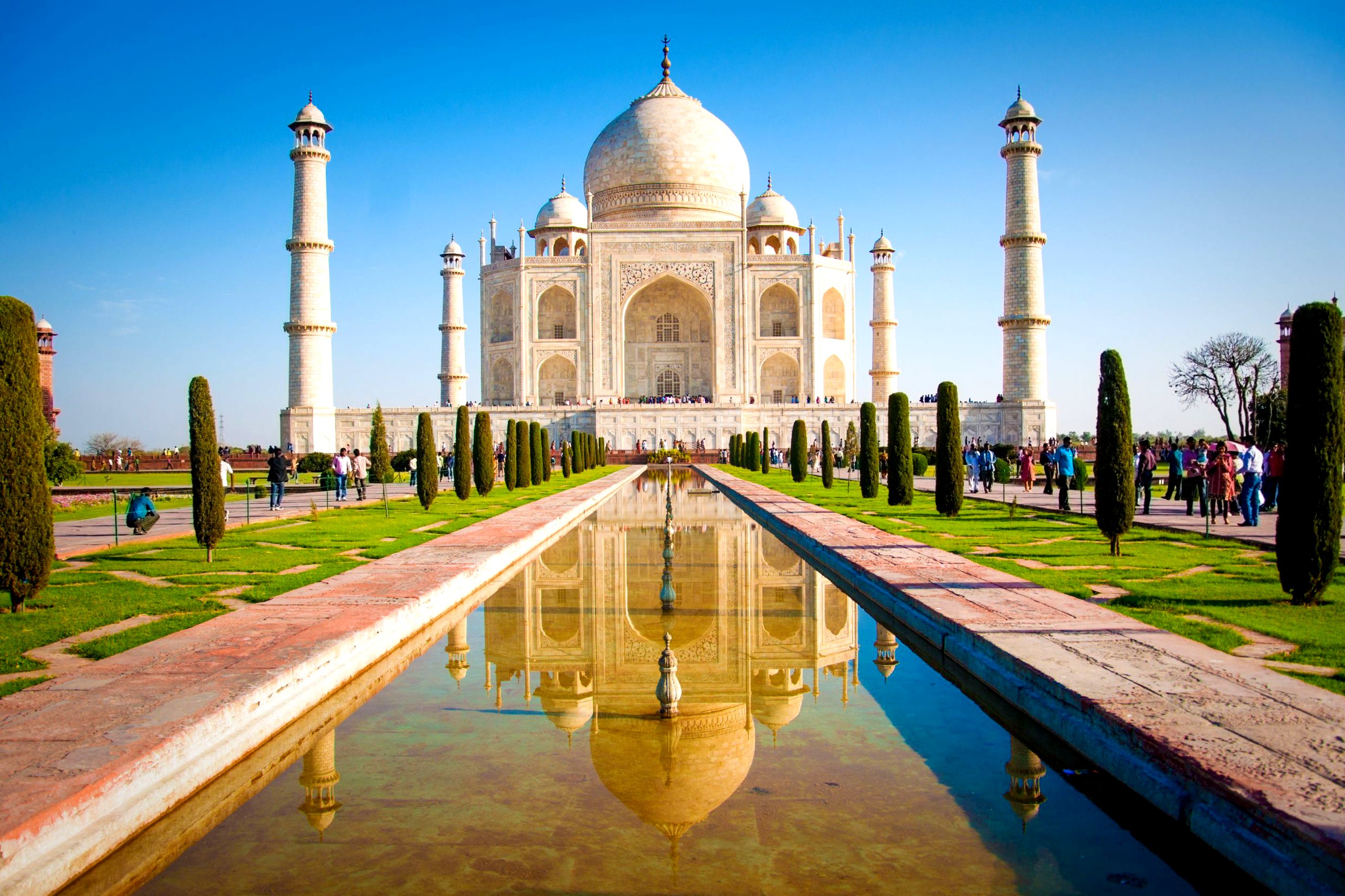
The Taj Mahal is India’s most famous landmark and one of the world’s best-known monuments. Built in white marble, it is widely associated with love, craftsmanship and Mughal architecture. Many UK travellers visiting India for the first time include Agra as part of the Delhi-Agra-Jaipur Golden Triangle itinerary.
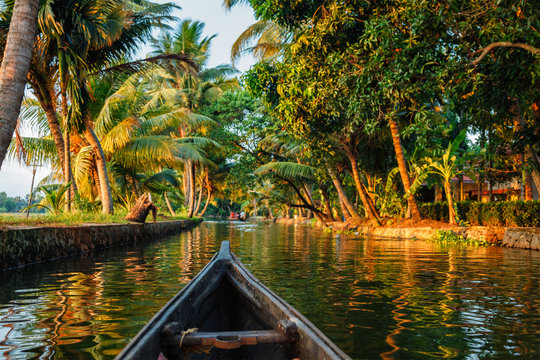
Kerala’s backwaters offer a slower, peaceful experience of India through canals, lagoons, houseboats, coconut groves and village life. This region is popular for honeymooners, wellness travellers, families and visitors looking for nature, Ayurveda and coastal culture.
This art and civilization museum showcases works from around the world and is notable for its striking architecture, including a dome that creates a 'rain of light' effect. It represents the UAE's commitment to cultural exchange.
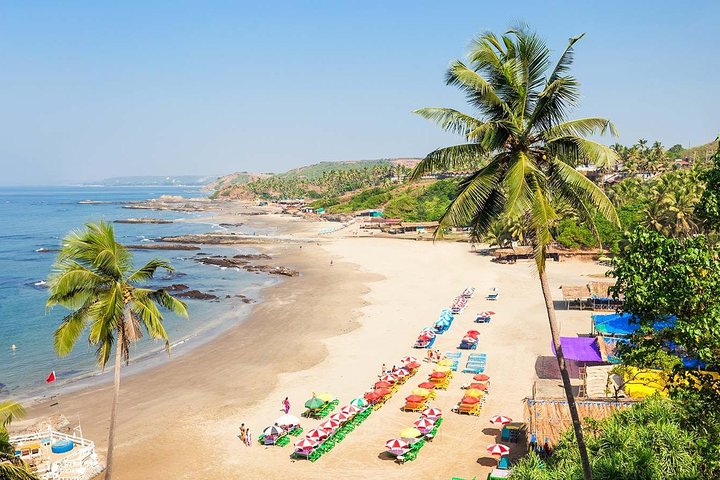
Goa is one of India’s most popular beach destinations, known for its coastline, relaxed lifestyle, seafood, nightlife and Portuguese-influenced churches and architecture. It is often chosen by UK travellers looking for a warm-weather holiday, beach break or cultural coastal stay.
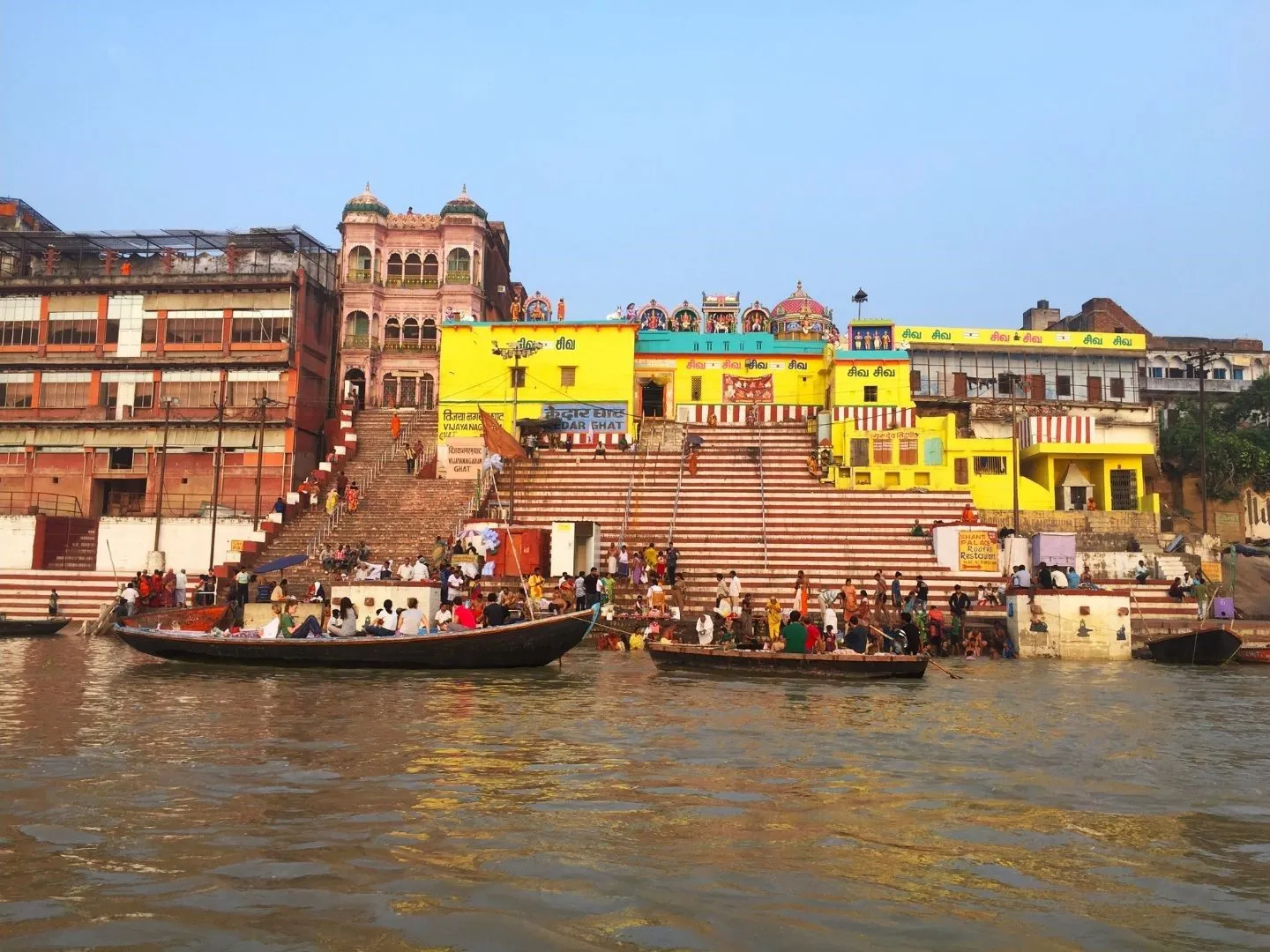
The ghats of Varanasi are among India’s most powerful cultural and spiritual experiences. Visitors come to see the riverfront, temples, sunrise boat rides and evening ceremonies. The city is especially important for travellers interested in Indian history, religion, music and traditional culture.
Education
India has a large and fast-growing higher education sector, with strong institutions in engineering, technology, science, management, medicine, humanities and research. Rankings vary by methodology, but the following institutions are widely recognised in global and regional rankings and are often searched by international students comparing study options in India.
Book a completely free consultation today. Our experts will guide you to a successful approval.