
Overview
Whether you need a Germany Schengen visa from the UK depends mainly on your nationality, your UK immigration status, the purpose of your travel and the length of your stay.
The exact documents depend on your nationality, UK residence status, travel purpose and personal circumstances. In most cases, you may need:
How It Works
The usual Germany Schengen visa processing time is approximately 15 working days from the date the application is received by the Embassy or Consulate General.
Some applications take longer. The German Mission may ask for additional documents, conduct further checks, or require approval from German authorities where the trip involves certain short-term activities.
Applicant category | Indicative visa fee |
Adults and children aged 12 or over | EUR 90 |
Children aged 6 to under 12 | EUR 45 |
Children under 6 | Usually exempt from the Schengen visa fee |
Certain family members, students, researchers or eligible categories | May qualify for reduced or waived fees depending on circumstances |
TLScontact service fee | Additional service fees may apply and should be checked at the time of booking |
A Germany Schengen visa can be issued for the exact travel dates requested, a short period around your trip, or for a longer validity period with single, double or multiple entries. Even where a visa is valid for longer, the traveller must not stay in the Schengen Area for more than 90 days in any 180-day period. The number of entries and permitted duration of stay shown on the visa sticker must be followed carefully.
Applying for a Germany Schengen visa from the UK can feel confusing, especially if you are unsure about the right visa type, required documents, appointment rules or how to present your financial and travel evidence. Cromwell Visa Services gives you practical support at each stage of the process.
Visa Validity
FAQ
British passport holders usually do not need a visa for short visits to Germany of up to 90 days in any 180-day period. UK residents with non-British passports may need a Germany Schengen visa depending on nationality and immigration status.
You can usually apply from the UK if you are legally resident in the UK and Germany is your sole destination, main destination or first Schengen entry point where no main destination can be identified.
You should apply for your Schengen visa through Germany if Germany is your only destination. If you plan to visit more than one Schengen country, you should apply through the country where you will spend the most time or where your main travel purpose is based. If there is no clear main destination, you should usually apply through the Schengen country you will enter first.
Some travellers need a Germany Airport Transit Visa if they are passing through a German airport on the way to another country. British citizens do not usually need a transit visa for Germany, but travellers from certain countries may need one unless they qualify for an exemption. If you need to pass through passport control, collect luggage, change airports, enter the Schengen Area or transit through more than one Schengen airport, you may need a short-stay Schengen visa instead.
Yes, a Germany Schengen visa may be used for short study, training, academic events, cultural events, sports events or similar short visits within 90 days. The documents required depend on your activity, host organisation and whether the visit involves any economic activity. If approval from German authorities is needed, the process may take longer than a standard visitor visa.
A Germany Schengen visa allows short stays of up to 90 days in any 180-day period. The exact number of days and permitted entries will be shown on the visa sticker.
You can normally apply up to six months before your intended travel date. It is better to apply early because appointment availability and processing times can vary.
The usual processing time is around 15 working days from the date the application is received by the Embassy or Consulate General. Some cases take longer if extra checks or documents are required.
Typical documents include the application form, passport, UK residence proof if applicable, passport photo, return travel reservation, accommodation booking, travel insurance, financial evidence, proof of UK address and employment, study or self-employment evidence.
Business applicants usually need the standard Schengen documents plus an invitation from the German business partner, a UK employer letter, evidence of the business relationship, travel purpose, travel dates and details of who will cover expenses.
Yes. Travel medical insurance must normally cover at least EUR 30,000, be valid across all Schengen countries and cover the full period of your intended stay. EHIC or GHIC alone is not sufficient.
You normally need a reserved return travel booking. Because submitting an application does not guarantee approval, it is safer to use refundable or flexible travel arrangements where possible.
Yes, a valid Germany Schengen visa can normally be used to travel within the Schengen Area, as long as you follow the visa conditions and do not exceed the permitted stay.
You should apply through Germany if Germany is your main destination in terms of stay length or purpose. If no main destination can be identified, you usually apply through the country of first entry.
A standard Schengen visa does not allow employment in Germany. Some business, academic, cultural or sports activities may be permitted, but paid work or economic activity may require specific authorisation.
Schengen visas are not normally extended except in limited exceptional circumstances. You should plan your trip within the visa validity and permitted duration shown on your visa.
Yes. Each child needs a separate application form and supporting documents. Additional documents such as birth certificate, parental consent and school letter may be required.
Each child must usually have a separate visa application form. You may also need to provide the child’s birth certificate, copies of parents’ or legal guardians’ passports, a school letter where applicable, and a signed travel consent letter from the parents or guardians, especially if the child is travelling alone or with only one parent.
If someone else is paying for the child’s trip, a sponsor letter and the sponsor’s recent bank statements may also be required.
If your visa is refused, you should review the refusal reasons carefully before reapplying or challenging the decision. A new application should directly address the issues raised and provide stronger evidence where needed.
No visa agency can guarantee a visa decision. The final decision is made by the German Mission. Our role is to help prepare a complete, accurate and well-presented application to reduce avoidable mistakes.
A UK BRP, eVisa or UK residence permission does not automatically give Schengen visa-free travel. Your nationality determines whether you need a Schengen visa, and your UK status helps show that you can apply from the UK.
A UK BRP, eVisa or UK residence permission does not automatically give Schengen visa-free travel. Your nationality determines whether you need a Schengen visa, and your UK status helps show that you can apply from the UK.
A UK BRP, eVisa or UK residence permission does not automatically give Schengen visa-free travel. Your nationality determines whether you need a Schengen visa, and your UK status helps show that you can apply from the UK.
ETIAS is a future EU travel authorisation for visa-exempt travellers. It is scheduled to start in the last quarter of 2026. It is not the same as a Schengen visa and is not currently required before the official launch.
The Entry/Exit System digitally records entries and exits of non-EU nationals travelling for short stays in the Schengen Area. It replaces manual passport stamping and may involve biometric checks at the border.
You can request a multiple-entry visa, but the decision depends on your travel history, purpose, evidence and the German Mission’s assessment. The visa sticker will confirm the number of entries granted.
There is no single fixed amount that suits every case. Your bank statements should show enough money for accommodation, travel, daily expenses and return travel, with genuine and explainable account activity.
A Germany Schengen Visa can be refused if the German Mission is not satisfied with your travel purpose, financial evidence, return intention or overall credibility of the application.
Common refusal reasons include:
Cromwell Travel Visa helps identify these risks early and supports you in preparing a clearer, stronger and well-organised application.
A cover letter is not always mandatory, but it can be useful where your travel plan, sponsorship, business purpose, previous refusal or personal circumstances need to be explained clearly.
Explore ITALY
Italy is a country rich in history, culture, and breathtaking landscapes, making it one of the most sought-after travel destinations in the world. Here are the top five must-visit cities in Italy and what makes them unique:

Germany’s capital is ideal for history, culture, art, nightlife and modern city breaks. Popular highlights include the Brandenburg Gate, Berlin Wall memorial sites, Museum Island and the Reichstag.

Munich is known for Bavarian culture, beer halls, museums, parks and easy access to the Alps. It is also a strong base for visitors exploring Neuschwanstein Castle and southern Germany.
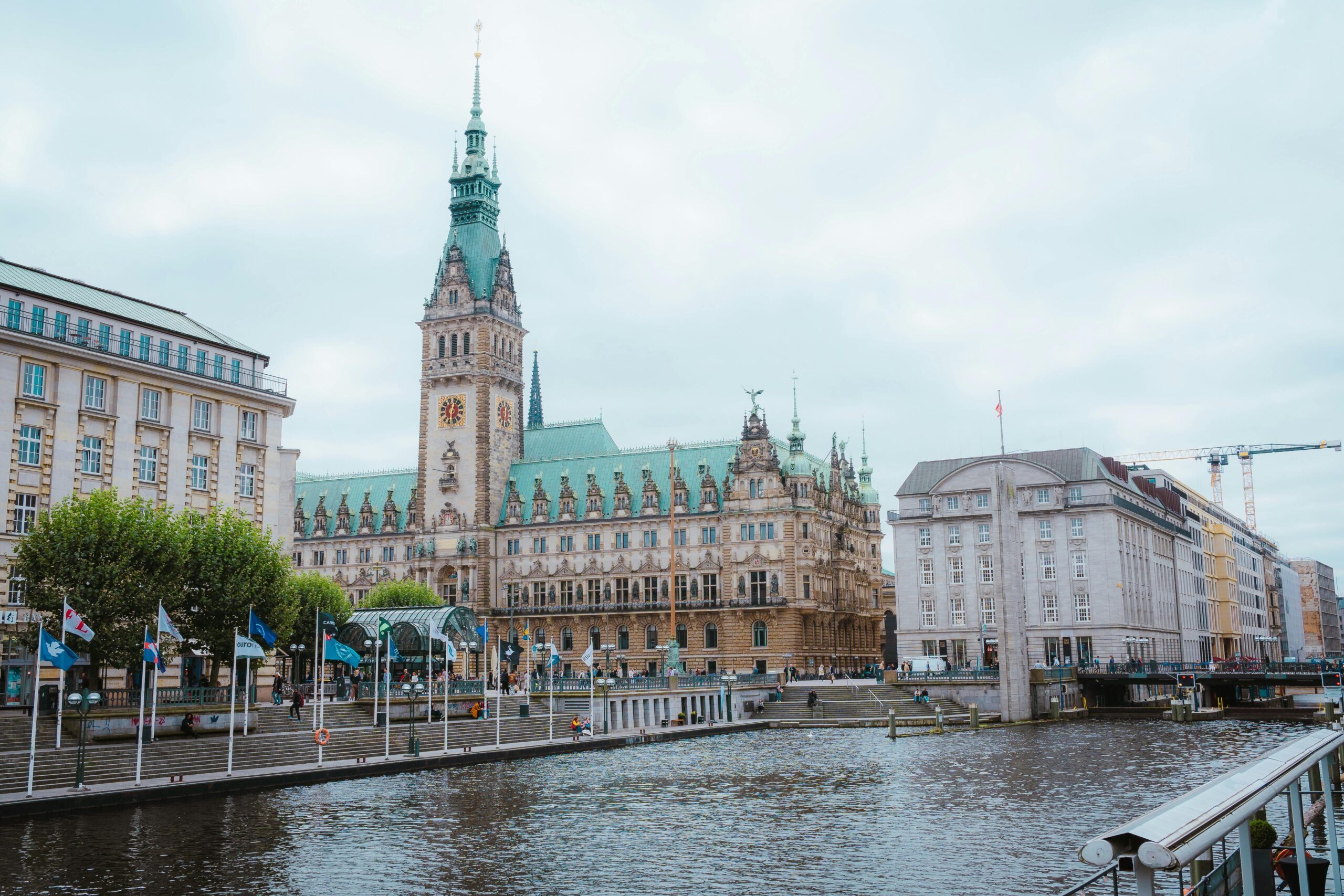
Hamburg is a major port city with canals, music venues, the Speicherstadt warehouse district and a strong maritime identity. It is a good choice for culture, food and waterfront travel.
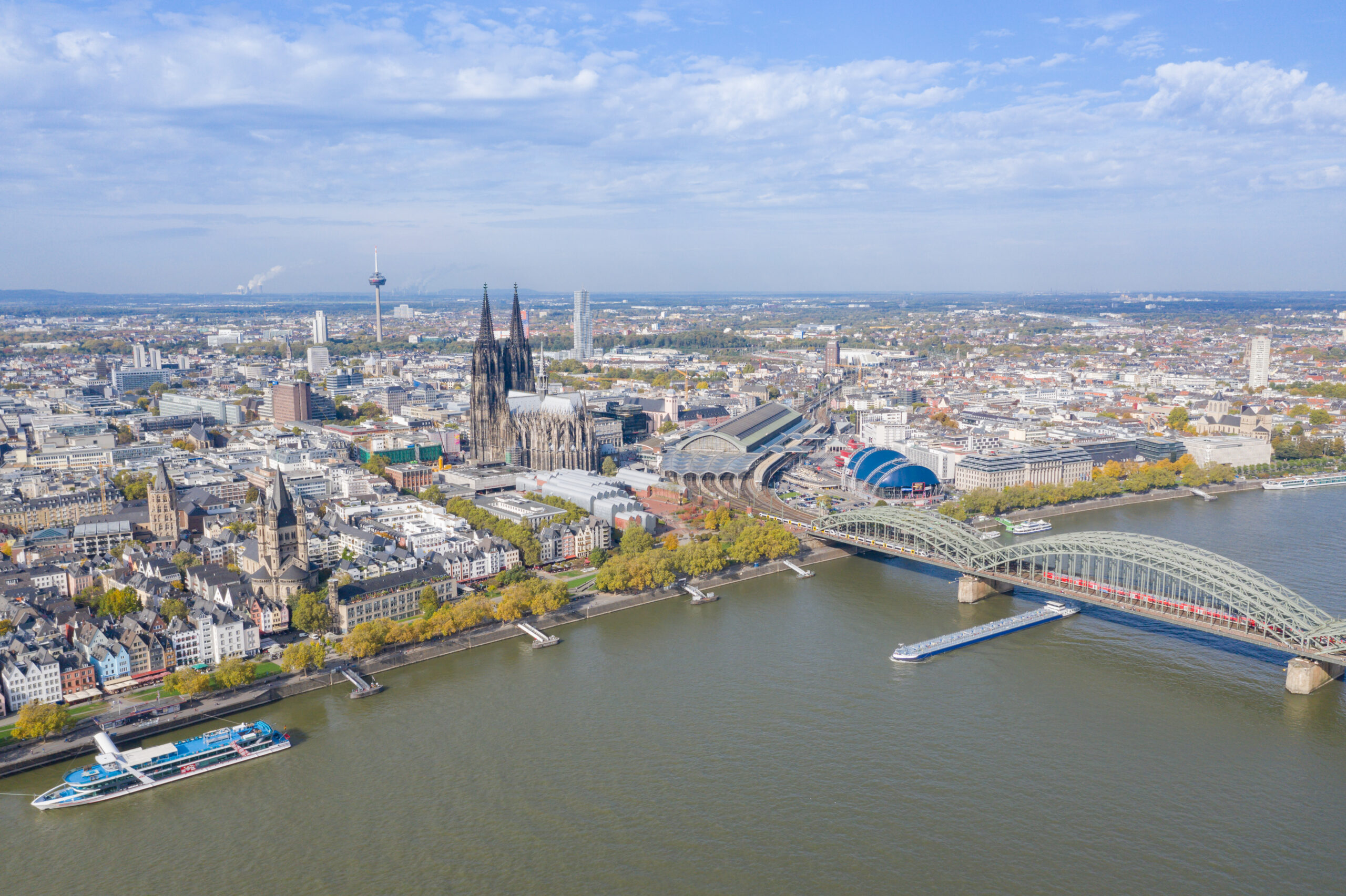
Cologne is famous for Cologne Cathedral, Rhine river views, Christmas markets and a friendly cultural scene. It is popular for short trips from the UK.
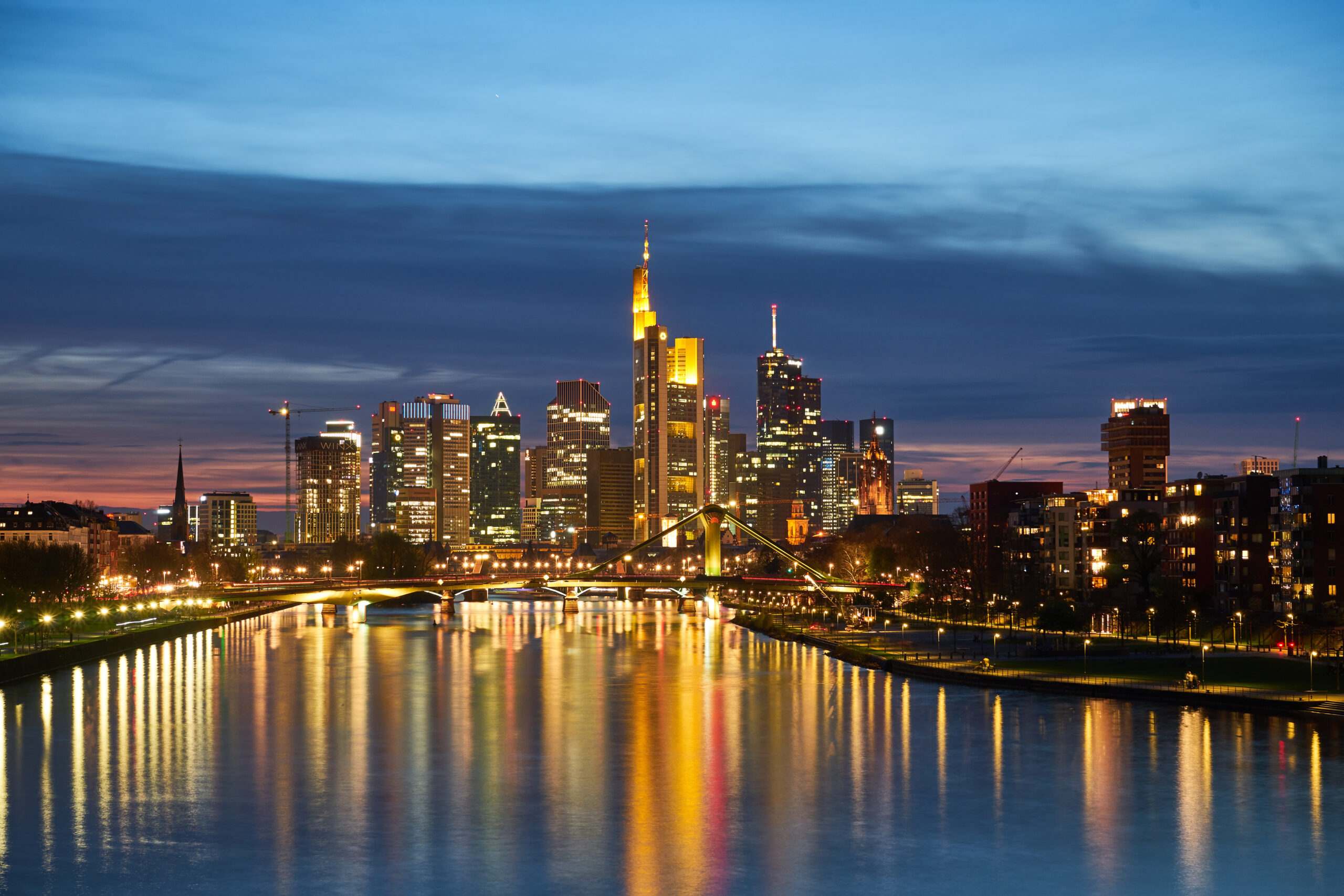
Frankfurt Frankfurt is Germany’s financial centre and a major international travel hub. It is ideal for business travellers and also offers museums, old town areas and day trips along the Rhine.
Attractions

One of Germany’s most recognised landmarks and a powerful symbol of unity, history and modern Berlin.

A famous fairytale-style castle set in the Bavarian Alps, loved by visitors for its dramatic setting and royal history.

A UNESCO-listed Gothic cathedral and one of the most impressive religious buildings in Europe.

A scenic region known for forests, spa towns, lakes, hiking routes, traditional villages and local food culture.

A popular route through historic towns, castles and Bavarian landscapes, ideal for travellers wanting a classic Germany road trip.
Education
Germany is a leading study destination in Europe, known for strong public universities, research excellence, engineering, science, medicine, technology and international study options. The following universities are often highly ranked in global league tables and are popular with international students.
Fun Facts
Book a completely free consultation today. Our experts will guide you to a successful approval.